
Rakour
Menu
Battery Storage Markets Worldwide: Regional Demand, Policy Trends & LFP Technology Insights for Buyers

Global Battery Storage Market Intelligence

Battery Storage Markets Worldwide: Regional Demand, Policy Trends & LFP Technology Insights for Buyers

Discover how battery storage is transforming grids across Europe, Australia, the Middle East, Africa, and Southeast Asia — from policy frameworks to technology selection.

Global Energy Storage Market Overview

What the latest IEA and BloombergNEF data reveals about the global BESS landscape — and why it matters for buyers, distributors, and project developers making sourcing decisions today.

How Large Is the Global Battery Storage Market?

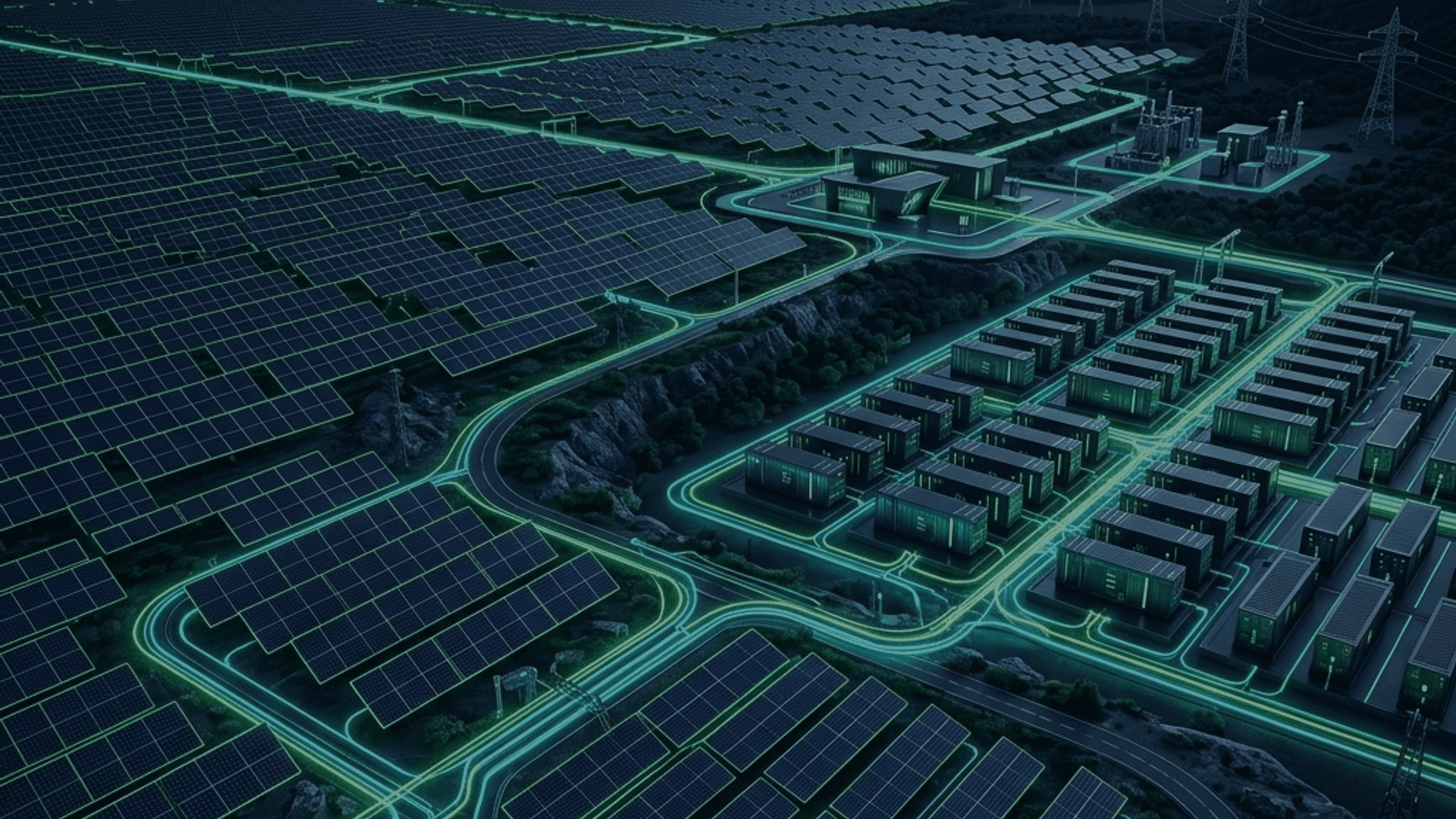
The global battery storage market added 108 GW of new capacity in 2025 alone — a 40% year-on-year increase, per IEA data. Independent research projections range from USD 50 billion to over USD 160 billion by 2034. LFP chemistry now represents approximately 90% of all new global deployments, favored for its cost efficiency, cycle life exceeding 6,000 full cycles, and superior thermal safety performance versus NMC alternatives in stationary applications.
Which Regions Are Leading Deployment?

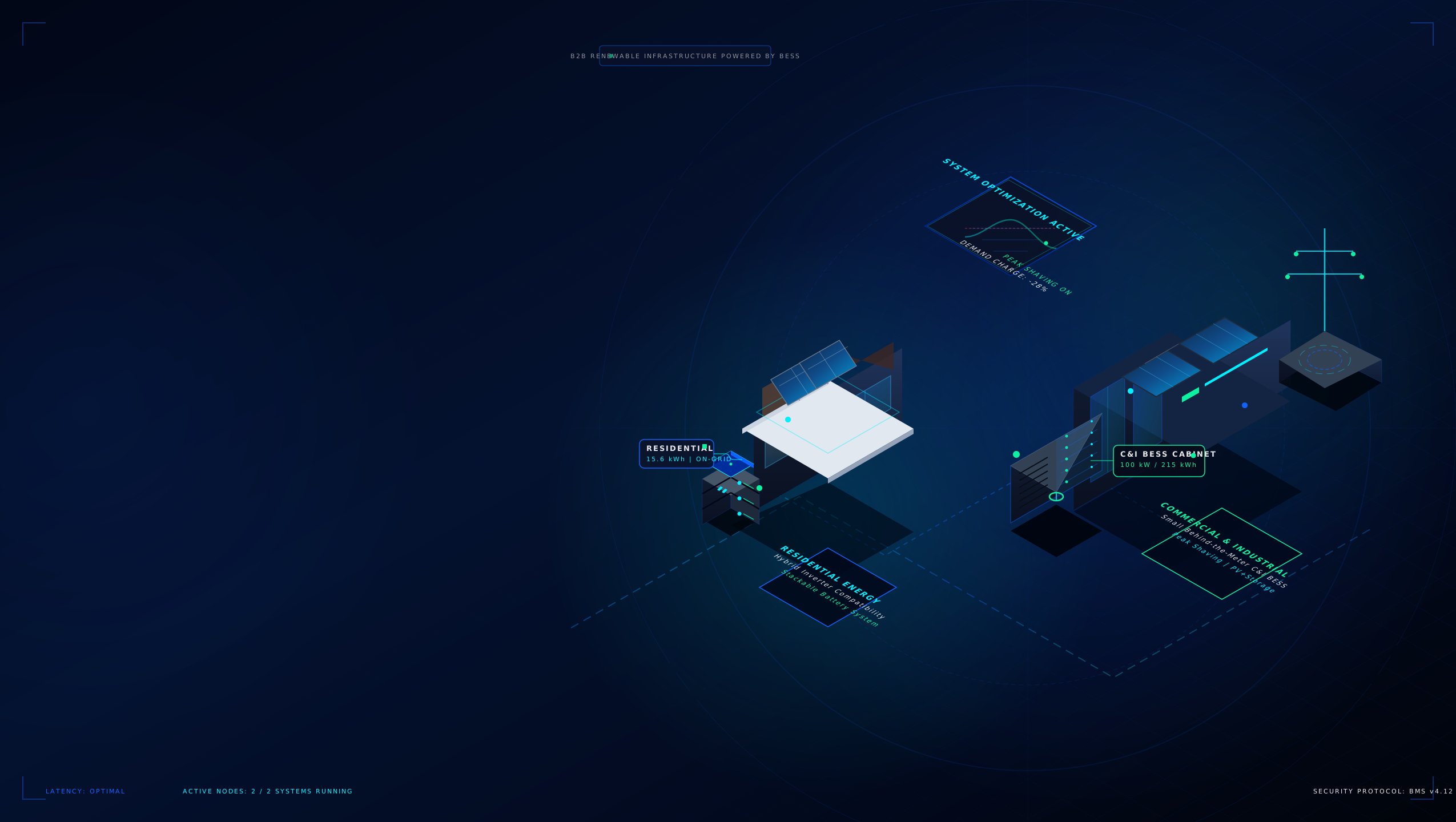
China accounts for roughly 60% of global annual BESS capacity additions, followed by the US at 14%. Europe, Australia, the Middle East, and Sub-Saharan Africa are all now scaling fast — markets where stationary BESS is increasingly central to national grid resilience plans and renewable energy integration strategies, underpinned by committed multi-year government funding and regulatory frameworks.

Why This Growth Matters for Procurement Teams

Understanding market scale helps procurement professionals benchmark real demand levels, evaluate supplier financial stability, and anticipate supply chain constraints before they affect project schedules. Rakour designs its LFP manufacturing capacity specifically to serve these high-growth regions with certified, scalable systems that meet local grid codes, safety standards, and import certification requirements consistently from the first shipment.

Why Battery Storage Is Reshaping Global Power Grids

Beyond backup power — how modern energy storage systems solve frequency regulation, peak shaving, renewable firming, and grid stability challenges across diverse international markets.

Frequency Regulation and Grid Stability

Modern battery storage systems respond within milliseconds, making them indispensable for frequency regulation on grids with growing renewable penetration. Unlike conventional gas peakers, BESS can inject or absorb power almost instantly without ramp-up delays. Rakour's HV rack systems incorporate multi-layer BMS monitoring, ensuring safe and continuous operation within the tight performance bands demanded by utility grid operators and large-scale renewable project requirements.

Peak Shaving and Demand Charge Reduction

Demand charges typically represent 30–50% of total commercial and industrial electricity costs. Deploying a dedicated energy storage system to flatten consumption peaks delivers measurable, predictable financial returns. Rakour's LV and HV rackable series both support fully programmable TOU charge and discharge scheduling, enabling practical demand management for C&I operators across the Middle East, Southeast Asia, and European commercial property markets.

Renewable Firming and Off-Grid Microgrid Supply

Solar and wind generation is inherently variable. Microgrids and energy storage working together bridge production gaps, storing surplus generation for dispatch when output drops below demand. For off-grid communities across Africa and Southeast Asia, Rakour's modular LFP systems provide reliable energy supply without diesel dependency — reducing both recurring operational costs and lifetime carbon emissions across the complete system lifecycle.

Key Market Drivers Across Regions

Why Europe, Australia, the Middle East, Africa, and Southeast Asia are all accelerating battery storage investment — each driven by structurally different but equally compelling forces.

Policy Mandates and Grid Modernization Incentives

Europe's REPowerEU plan positions stationary energy storage as a central pillar of its fossil fuel reduction strategy. Australia's AEMO roadmap mandates grid-scale BESS expansion across the national grid. Saudi Arabia's Vision 2030 includes the world's largest contracted battery storage project at 12.5 GWh. These represent funded, active procurement cycles with identified budgets — not speculative future demand that distributors must wait years to access in the market.

Solar Integration and Renewable Energy Storage Demand

High solar penetration creates structural, recurring storage demand. Australia leads globally in rooftop solar installations per capita, driving consistent residential battery storage uptake. Southeast Asia's solar expansion — particularly across Vietnam, the Philippines, and Malaysia — is generating urgent demand for co-located storage to manage grid instability during peak generation periods, fueling sustained investment in regional renewable energy storage infrastructure.

Rural Electrification and Energy Independence Goals

Over 600 million people in Sub-Saharan Africa currently lack reliable electricity grid access. Off-grid solar combined with modular BESS is now the most cost-effective rural electrification pathway available globally. Rakour's low-voltage systems support distributed deployment for both household backup power and community microgrids, helping communities achieve stable energy independence without dependence on costly centralized grid infrastructure expansion.

Regulatory & Policy Landscape by Region

Certification requirements, grid codes, and compliance frameworks that every distributor and EPC contractor must understand before sourcing battery storage systems for global markets.

European Union: CE Marking and IEC 62619

Products entering the EU must carry CE marking and fully comply with IEC 62619 — the core international safety standard for stationary battery storage systems. From 2027, the EU Battery Regulation adds mandatory carbon footprint declarations and supply chain due diligence requirements for all battery manufacturers. Rakour's LV and HV rackable products hold both CE and IEC 62619 certification, ensuring compliant import, customs clearance, and distribution across EU member states without delays.

Australia: CEC Accreditation and AS/NZS Standards

Australia requires all battery products to meet AS/NZS 4109 and appear on the Clean Energy Council approved product register for residential energy storage installations. Grid-connected systems must additionally comply with the AS/NZS 4777 standard. Rakour is actively pursuing full CEC listing, equipping Australian distribution partners with a compliant, high-performance product range purpose-built for local grid requirements and installation environments.

Middle East, Africa, and Southeast Asia: Emerging Compliance Pathways

Saudi Arabia follows SASO and ESMA certification frameworks. South Africa mandates SABS compliance for all energy storage products. Indonesia and Vietnam are building IEC-aligned national standards rapidly. Rakour works directly with regional distribution partners to navigate each country's specific certification timeline, ensuring import-ready product availability without compliance delays affecting project timelines.

Market Sizing & Growth Forecast by Region

Data-backed projections for five key markets in Rakour's global strategy — giving distributors, installers, and project developers the numbers they need to prioritize their investment.

Europe and Australia: Mature, Policy-Driven Markets

Europe's residential energy storage market is projected to reach USD 28 billion by 2030, underpinned by REPowerEU funding and national subsidy programs in Germany, the UK, and Italy. Australia grows at over 25% CAGR, driven by the world's highest rooftop solar penetration rate and expanding state-level virtual power plant programs. Both markets actively reward certified, grid-compliant products from manufacturers with proven, consistent delivery capability and documented technical support infrastructure.

Middle East and Africa: Accelerating Expansion

The Middle East and Africa combined battery storage market was approximately USD 16.7 billion in 2024 and is projected to exceed USD 55 billion by 2032 — a CAGR of approximately 16.8%. Saudi Arabia, the UAE, and South Africa anchor large-scale demand. Across East and West Africa, off-grid residential adoption is accelerating rapidly, creating parallel procurement opportunities at both utility-scale and community-level BESS deployment tiers.

Southeast Asia: Infrastructure-Driven Growth

Southeast Asia's BESS market is expanding simultaneously across multiple national markets. Malaysia commissioned its first utility-scale battery energy storage system in late 2025, signaling regional maturation. Aging national grids, widespread diesel dependency, and ambitious government renewable energy targets are converging to generate substantial and growing procurement volumes across Vietnam, Indonesia, the Philippines, and Thailand.

Application Scenarios by Market

The right battery storage solution depends on the specific application, end-user type, and local regulatory environment — here is how deployment patterns differ meaningfully by region.

Residential Energy Storage: Europe and Australia

In Europe and Australia, the dominant use case is solar-plus-storage for self-consumption maximization and grid export management. Homeowners install systems to optimize solar yield, reduce grid dependency, and access virtual power plant revenues. Rakour's wall-mounted and rackable LV series — spanning 5.12 kWh to 16 kWh — are designed specifically for behind-the-meter residential battery storage, supporting up to 15 parallel units to accommodate larger households or high-consumption properties requiring greater capacity.

Commercial Storage: Middle East and Southeast Asia

Commercial and industrial operators in both regions deploy BESS primarily for peak shaving, critical backup power, and demand charge reduction. Rakour's HV rackable series operates up to 980V DC and integrates directly with major inverter platforms including Deye and Goodwe — enabling solar battery storage system configurations from 10 kW to multi-hundred kilowatt scale with fully documented, manufacturer-verified inverter compatibility.

Off-Grid and Microgrid Deployments: Africa

Africa's primary BESS application is off-grid electrification for communities, health clinics, and small businesses disconnected from national grids. Rakour's LV ground-wheel and rackable systems deliver over 6,000 charge cycles, operate reliably from -20°C to 60°C, and carry IP20 protection, making them the dependable choice for solar microgrid developers working in demanding Sub-Saharan African environments.

Battery Technology Comparison for Different Markets

LFP, NMC, sodium-ion, and solid-state — understanding which battery chemistry performs best in each target region helps buyers avoid costly mismatches between product and application.

Why LFP Dominates Global Battery Storage Deployments

Lithium iron phosphate battery chemistry now accounts for approximately 90% of new stationary deployments worldwide. LFP delivers over 6,000 charge cycles, operates safely from -20°C to 60°C, and eliminates the thermal runaway risks associated with NMC. For markets in Africa, Southeast Asia, and the Middle East — where ambient temperatures are high and maintenance access is limited — LFP is the technically correct and commercially proven choice.

LFP vs NMC — What Matters for Stationary Storage

NMC offers higher energy density, making it attractive for EV applications where weight matters. In stationary battery storage, however, energy density is secondary to cycle life, safety, and total cost over time. LFP batteries consistently outperform NMC on all three dimensions in behind-the-meter and off-grid applications. Rakour's entire product range uses LFP cells, ensuring buyers receive the safest, most durable technology available for residential and commercial deployments.

Emerging Chemistries — Sodium-Ion and Solid-State

Sodium-ion battery technology is attracting significant investment as a potential low-cost alternative for large-scale storage. Solid-state battery research is advancing rapidly, promising higher energy density and faster charging. However, neither technology has achieved the commercial maturity, proven field performance, or supply chain depth required for reliable large-scale procurement today. Rakour's LFP-based systems remain the validated, bankable choice for buyers across all target markets.

Grid Connection Standards & Certification Requirements

Before a single unit ships, buyers need to confirm their battery storage system meets the grid connection codes, safety standards, and import certification requirements of the destination market.

International Safety Standards — IEC 62619 and UL 9540

IEC 62619 is the globally recognized safety standard for battery energy storage systems used in stationary applications. It covers cell performance, BMS requirements, and system-level protection. UL 9540 is the equivalent standard required for North American markets. Rakour's LV and HV rackable series are IEC 62619 certified and additionally carry CE, ROHS, MSDS, and UN38.3 certifications, covering transportation safety and hazardous materials compliance for international shipping.

Lithium-Ion Battery Safety Requirements by Region

Lithium ion battery safety regulations are tightening across all target markets. The EU's Battery Regulation introduces mandatory safety data documentation from 2026. Australia's AS/NZS 4109 standard includes specific installation and protection requirements. In the Middle East, ESMA and SASO frameworks address both product safety and import documentation. Rakour provides full certification documentation packages for each product, reducing compliance workload for distribution partners and project developers significantly.

Grid Code Compliance for On-Grid and Hybrid Systems

On-grid battery storage installations must comply with local grid connection codes governing voltage tolerance, frequency response, anti-islanding protection, and communication protocols. Rakour's systems support CAN, RS485, and RS232 communication interfaces, enabling seamless integration with leading inverter brands including Deye, Goodwe, Growatt, and Sofar — all of which carry pre-verified grid compliance certifications in their respective target markets.

Supply Chain & Sourcing Considerations

Choosing the right battery storage supplier means evaluating more than price — delivery reliability, component quality, after-sales support, and manufacturing transparency directly affect project outcomes.

How to Evaluate Battery Storage System Manufacturers

Battery storage system companies vary enormously in manufacturing quality, component sourcing, and technical support. Key evaluation criteria include cell supplier transparency, BMS development capability, production certifications (ISO, CE, IEC), and warranty terms. Rakour sources cells from verified Tier-1 suppliers and manufactures its BMS in-house, giving buyers full visibility into the components inside every unit and eliminating the risk of undisclosed cell substitutions after initial approval.

Lead Times, MOQs, and Delivery Reliability

Global supply chain pressures — including raw material volatility and shipping disruptions — make delivery reliability a critical supplier selection factor. Rakour maintains production inventory and offers flexible MOQ arrangements for partners entering new markets. Standard lead times for LV and HV rackable series are published transparently, and shipment tracking plus pre-delivery inspection documentation are provided as standard across all export orders.

Warranty, After-Sales Support, and Technical Documentation

A five-year warranty is standard across Rakour's full LFP product range. All units ship with multilingual user manuals, wiring diagrams, BMS communication protocol documents, and safety data sheets. Remote diagnostics via the built-in WiFi module enables Rakour's technical team to support installers directly without on-site visits — a critical advantage for distributors operating across geographically dispersed markets.

Total Cost of Ownership (TCO) Analysis by Market

The purchase price of a battery storage system is only part of the financial picture — cycle life, warranty, efficiency, and local electricity rates all determine actual long-term value.

Understanding Battery Storage Cost Beyond Purchase Price

Solar battery cost comparisons focused solely on USD-per-kWh purchase price frequently mislead buyers. A lower-priced NMC system rated for 3,000 cycles costs significantly more per delivered kWh than a Rakour LFP system rated for 6,000-plus cycles. When levelized storage cost is calculated across the full warranty period, Rakour's LFP systems consistently deliver a lower cost per usable kWh — the metric that determines actual project economics for both commercial and residential buyers.

Cycle Life and Battery Lifespan Impact on ROI

Lithium battery lifespan directly determines TCO. Rakour's LV 314Ah model is rated for over 11,000 cycles at 90% DOD — among the highest in the residential rackable segment. For daily-cycling applications, this translates to over 30 years of theoretical calendar life, far exceeding the warranty period. Buyers evaluating long-term ROI should request cycle life test data and third-party verification before finalizing procurement decisions.

Local Electricity Rates, Subsidies, and Payback Periods

TCO calculations vary significantly by market. In Germany, high retail electricity prices of EUR 0.30–0.40/kWh deliver residential payback periods of six to nine years. In Australia, shifting feed-in tariff structures accelerate self-consumption economics. In the Middle East and Africa, avoided diesel generator costs typically justify BESS investment within three to five years for off-grid and hybrid applications.

Market Entry Barriers & Risk Factors

Every high-growth battery storage market carries specific barriers — understanding the technical, regulatory, and logistical risks upfront protects investment and prevents costly project delays.

Technical Risks — Thermal Management and Battery Safety

Battery thermal runaway is the most serious technical risk in stationary storage, typically triggered by overcharge, deep discharge, or physical damage. Rakour mitigates this through multi-layer BMS protection — covering over-charge, over-discharge, over-current, and temperature extremes — combined with LFP chemistry, which is inherently more thermally stable than NMC. Buyers should require documented BMS protection test results and IEC 62619 certification from all suppliers before finalizing procurement.

Regulatory Delays and Certification Timelines

Entering new markets with uncertified products creates serious commercial risk. AS/NZS certification in Australia, CEC listing, and SASO approval in Saudi Arabia each take six to eighteen months. Rakour reduces this barrier by maintaining CE and IEC 62619 certification on core product lines while actively pursuing additional market-specific approvals. Distribution partners should confirm certification status before placing initial orders into any new territory.

Logistics, Climate, and Installation Challenges

Lithium ion battery systems are classified as dangerous goods for international transport, requiring MSDS, UN38.3, and specific packaging compliance. In African and Southeast Asian markets, high ambient temperatures, humidity extremes, and limited installer training create operational risks. Rakour addresses these through sealed export-rated packaging, wide operating temperature specifications, and multilingual installation documentation designed for markets where certified installer networks remain limited.

Regional Market Navigation Guide

Use this guide to navigate directly to Rakour's dedicated regional analysis pages — each covering market-specific demand drivers, regulations, product recommendations, and sourcing guidance.

Europe and Australia — Established Markets with High Standards

Europe and Australia represent Rakour's most compliance-intensive markets. Buyers here prioritize CE and IEC 62619 certification, CEC listing, and documented inverter compatibility. Our Europe and Australia market pages cover national subsidy programs, grid connection requirements, top inverter brands by country, and the residential energy storage system configurations most commonly specified by local installers and EPC contractors across both regions.

Middle East and Africa — Growth Markets Requiring Local Knowledge

The Middle East and Africa demand region-specific product and compliance knowledge. Saudi Arabia, UAE, South Africa, and Nigeria each operate under different procurement frameworks, certification bodies, and end-user needs. Our dedicated Middle East and Africa market pages break down country-level demand drivers, off-grid versus grid-tied application splits, and the home energy storage and C&I system specifications that align with local installer and developer requirements.

Southeast Asia — Fast-Moving Infrastructure Markets

Southeast Asia's energy storage market is expanding rapidly but unevenly across national boundaries. Vietnam, Indonesia, the Philippines, Malaysia, and Thailand each have distinct grid conditions, solar incentive structures, and import regulations. Rakour's Southeast Asia market page provides country-level regulatory summaries, recommended solar battery storage systems by application type, and distributor support resources for partners establishing or expanding operations across the region.

Frequently Asked Questions About Global Battery Storage Markets

Essential answers for distributors and installers entering global battery storage markets worldwide.

What is the difference between LFP and NMC battery storage systems?

LFP offers 6,000+ cycles, thermal stability, and lower long-term cost per kWh. NMC has higher energy density but shorter lifespan and greater thermal risk — making LFP ideal for stationary storage.

Which international certifications should a battery energy storage system carry?

At minimum: CE and IEC 62619 for EU, UN38.3 for shipping, AS/NZS 4109 for Australia. Rakour carries CE, IEC 62619, ROHS, MSDS, and UN38.3 certifications as standard across the full product range.

How does lithium battery lifespan affect the total cost of ownership?

An 11,000-cycle system costs far less per delivered kWh than a 3,000-cycle unit, despite higher upfront price. Always calculate levelized cost over the full warranty period, not purchase price alone.

Are Rakour's residential energy storage systems compatible with major inverter brands?

Yes. Rakour LV and HV systems integrate with Deye, Goodwe, Growatt, and Sofar via CAN, RS485, and RS232. Verified compatibility documentation is available for all supported inverter models on request.

What are the main risks of battery thermal runaway in stationary storage applications?

Thermal runaway is triggered by overcharge, deep discharge, or damage. Rakour's BMS covers voltage, current, and temperature protection. LFP chemistry is inherently more thermally stable than NMC.

Ready to Source Certified Battery Storage Systems for Your Market?

Ready to Source Certified Battery Storage Systems for Your Market?

Share your target region and project type — we'll match you to the right certified Rakour system.